
Why Quality Sleep Matters: The Hidden Key to Better Health, Energy, and Productivity
- By admin
If you want to improve your health naturally, understanding the benefits of quality sleep is one of the best places to start. Quality sleep supports your physical health, mental well-being, productivity, and energy levels.
Unfortunately, many Nairobi professionals struggle to get enough rest, often without realizing the impact it has on their overall health Others struggle to sleep because of stress, anxiety, or busy schedules.
Unfortunately, poor sleep can affect much more than your energy levels.
Quality sleep plays a critical role in physical health, mental well-being, productivity, and overall quality of life. Yet many people underestimate its importance until they begin experiencing health challenges.
If you’ve been feeling tired, irritable, unfocused, or constantly exhausted, your sleep habits may be part of the problem.
Why Sleep Is Essential for Good Health
Sleep is not simply a period of rest.
While you sleep, your body performs important functions that help maintain your health, including:
- Repairing muscles and tissues
- Strengthening the immune system
- Regulating hormones
- Supporting memory and learning
- Restoring energy levels
- Supporting heart health
Without adequate sleep, the body does not have enough time to recover and function optimally.

How Much Sleep Do Adults Need?
Most healthy adults need between 7 and 9 hours of quality sleep each night.
However, many people consistently get less than this due to work demands, family responsibilities, or lifestyle habits.
Regularly sleeping less than the recommended amount can have long-term consequences for your health.
Signs You May Not Be Getting Enough Sleep
Poor sleep affects people in different ways.
Common signs include:
- Constant fatigue
- Difficulty concentrating
- Frequent headaches
- Mood swings
- Irritability
- Low energy
- Reduced productivity
- Difficulty remembering information
Many people assume these symptoms are caused by stress or a busy lifestyle when sleep deprivation may be a contributing factor.
The Impact of Poor Sleep on Physical Health
Increased Risk of High Blood Pressure
Research shows that poor sleep can affect blood pressure regulation and cardiovascular health.
People who consistently sleep too little may have a higher risk of developing hypertension.
Weight Gain and Obesity
Sleep influences hormones that regulate hunger and appetite.
When you do not get enough rest, you may crave high-calorie foods and overeat more easily.
Increased Risk of Diabetes
Poor sleep can affect how the body processes glucose, potentially increasing the risk of developing type 2 diabetes over time.
Weakened Immune System
Sleep helps your immune system function effectively.
Insufficient sleep can make it harder for your body to fight infections and recover from illness.
Sleep and Mental Health
The relationship between sleep and mental health is closely connected.
Poor sleep may contribute to:
- Increased stress
- Anxiety
- Low mood
- Difficulty coping with daily challenges
Likewise, stress and anxiety can make it harder to fall asleep, creating a cycle that affects both physical and emotional well-being.
For many Nairobi professionals, managing stress and prioritizing sleep can significantly improve overall wellness.
Common Causes of Poor Sleep
Several factors may interfere with healthy sleep patterns:
Excessive Screen Time
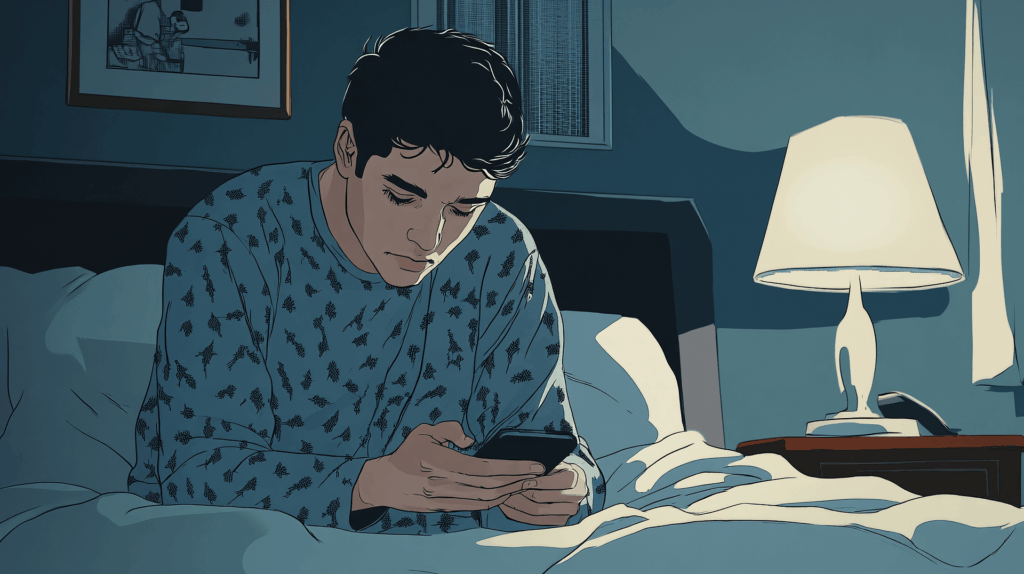
Using phones, tablets, or laptops late at night exposes the brain to blue light, which can interfere with natural sleep signals.
Stress and Overthinking
Work pressures, financial concerns, and personal responsibilities can make it difficult to relax and fall asleep.
Caffeine Consumption
Consuming coffee, energy drinks, or other caffeinated beverages late in the day can affect sleep quality.
Irregular Sleep Schedules
Going to bed and waking up at different times each day can disrupt your body’s internal clock.
7 Tips for Better Sleep
1. Maintain a Consistent Sleep Schedule
Try to go to bed and wake up at the same time every day, including weekends.
2. Reduce Screen Time Before Bed
Avoid phones, tablets, and televisions at least one hour before sleeping.
3. Create a Relaxing Bedtime Routine
Reading, meditation, or light stretching can help prepare your body for sleep.
4. Limit Caffeine in the Evening
Try to avoid caffeinated drinks several hours before bedtime.
5. Keep Your Bedroom Comfortable
A quiet, dark, and cool environment supports better sleep quality.
6. Stay Physically Active
Regular exercise can help improve sleep quality and overall health.
7. Manage Stress
Relaxation techniques, mindfulness, and mental health support can help reduce stress and improve sleep.
When Should You Seek Medical Advice?
Occasional sleep difficulties are normal.
However, you should consider speaking with a healthcare professional if you:
- Struggle to sleep regularly
- Wake up feeling exhausted
- Experience persistent fatigue
- Snore excessively
- Have difficulty concentrating due to poor sleep
Persistent sleep problems may indicate an underlying health condition that requires evaluation.
Small Changes Can Lead to Better Health
Improving your sleep habits may seem simple, but the benefits can be significant.
Better sleep can help improve:
- Energy levels
- Mood
- Productivity
- Heart health
- Mental well-being
- Overall quality of life
The journey to better health often starts with better rest.
Final Thoughts
Sleep is one of the most powerful tools for maintaining physical and mental health.
Yet it is often overlooked in today’s busy world.
By prioritizing quality sleep and adopting healthy habits, you can improve your energy, strengthen your immune system, support your mental wellness, and reduce your risk of lifestyle diseases.
Tonight, give yourself permission to rest.
Your body and mind will thank you.
💬 WhatsApp: https://wa.me/254742247385
📍 Inka Medical Centre
Valley Arcade Shopping Centre, Kilimani